
Therapy for Teens Who Are Still Finding Their Way
Being a teenager can feel like everyone has an opinion about who you're supposed to be.
Wayfinder provides online teen therapy in Texas for adolescents navigating anxiety, ADHD, depression, school stress, relationships, emotions, and the complicated process of growing up.
Maybe your teen is spending more time alone. School has become a battle. Homework takes hours. They're overwhelmed, irritated, worried, or exhausted. You ask what's wrong and hear, "Nothing." You ask if they're okay and hear, "I'm fine."
You may be wondering whether to give them space or whether this is something you shouldn't ignore. You aren't necessarily looking for someone to "fix" your teenager. You want to understand what's happening and know how to help.
When "I'm Fine" Doesn't Feel Fine
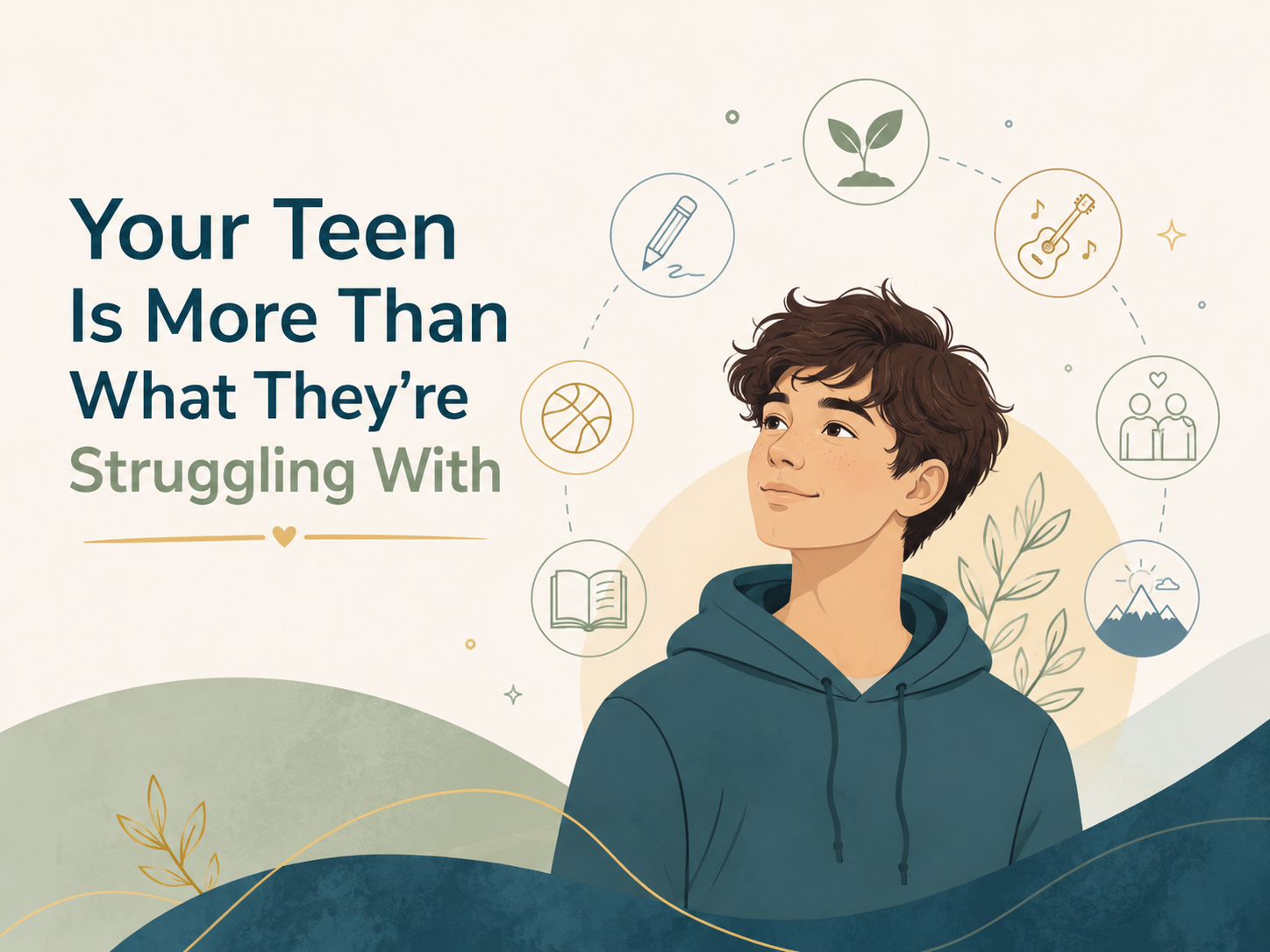
Your Teen Is More Than What They're Struggling With
Anxiety isn't their identity. Neither is ADHD or depression. Teenagers are still figuring out who they are, what matters to them, how relationships work, and where they fit.
Therapy can give them room to understand what they're experiencing while developing skills to navigate it. The goal isn't to turn them into someone else. It's to help them understand themselves and move through the world with greater confidence.
What Teen Therapy Can Help WIth
-

Anxiety
Overthinking, avoidance, reassurance seeking, school worries, social fears, panic, and persistent "what if?" thinking.
-

ADHD
Organization, task initiation, follow-through, emotional regulation, forgetfulness, planning, and understanding how ADHD affects everyday life.
-

Depression
Low motivation, withdrawal, irritability, loss of interest, low mood, and disconnection.
-
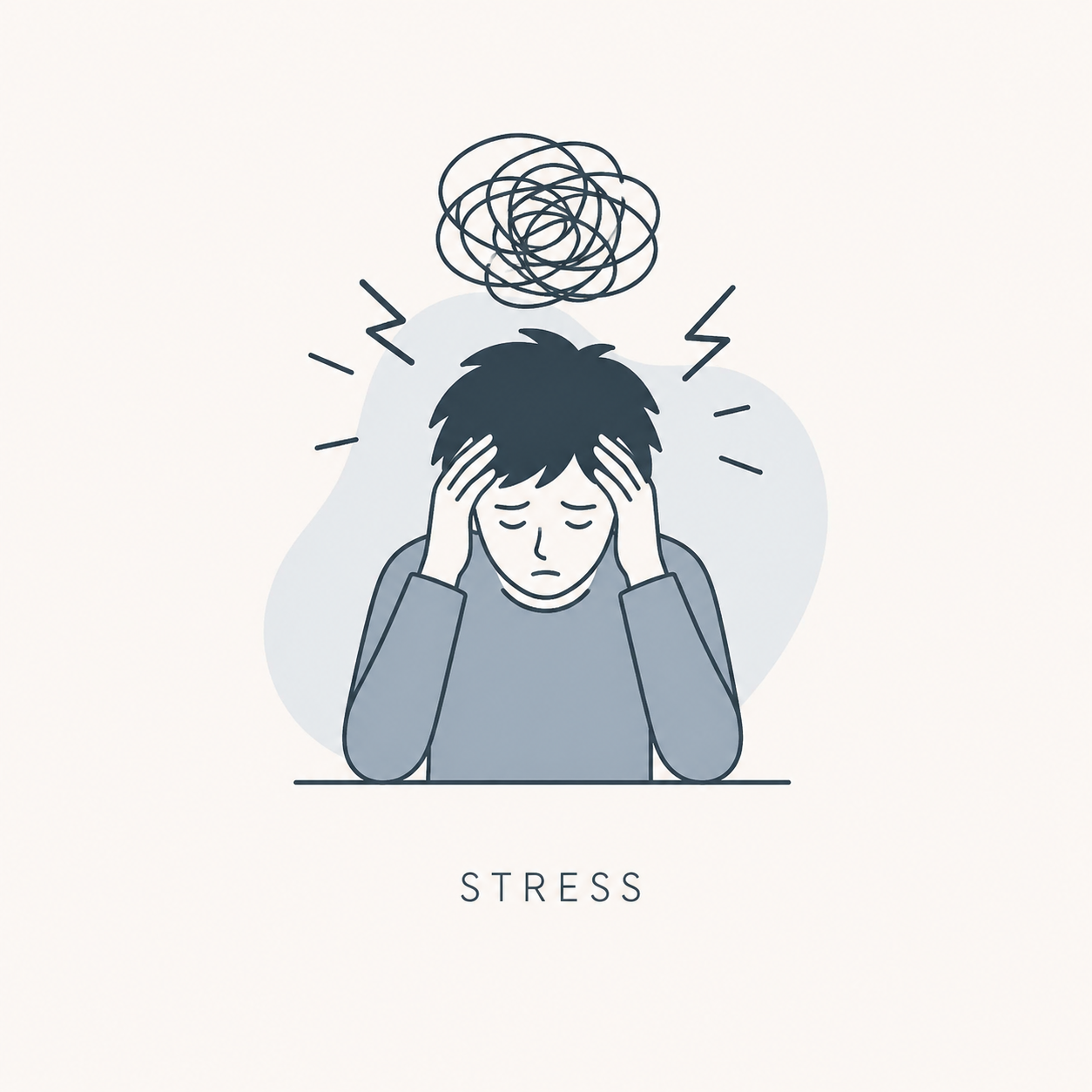
Stress
School expectations, friendships, family responsibilities, extracurricular activities, and feeling like everything is happening at once.
-
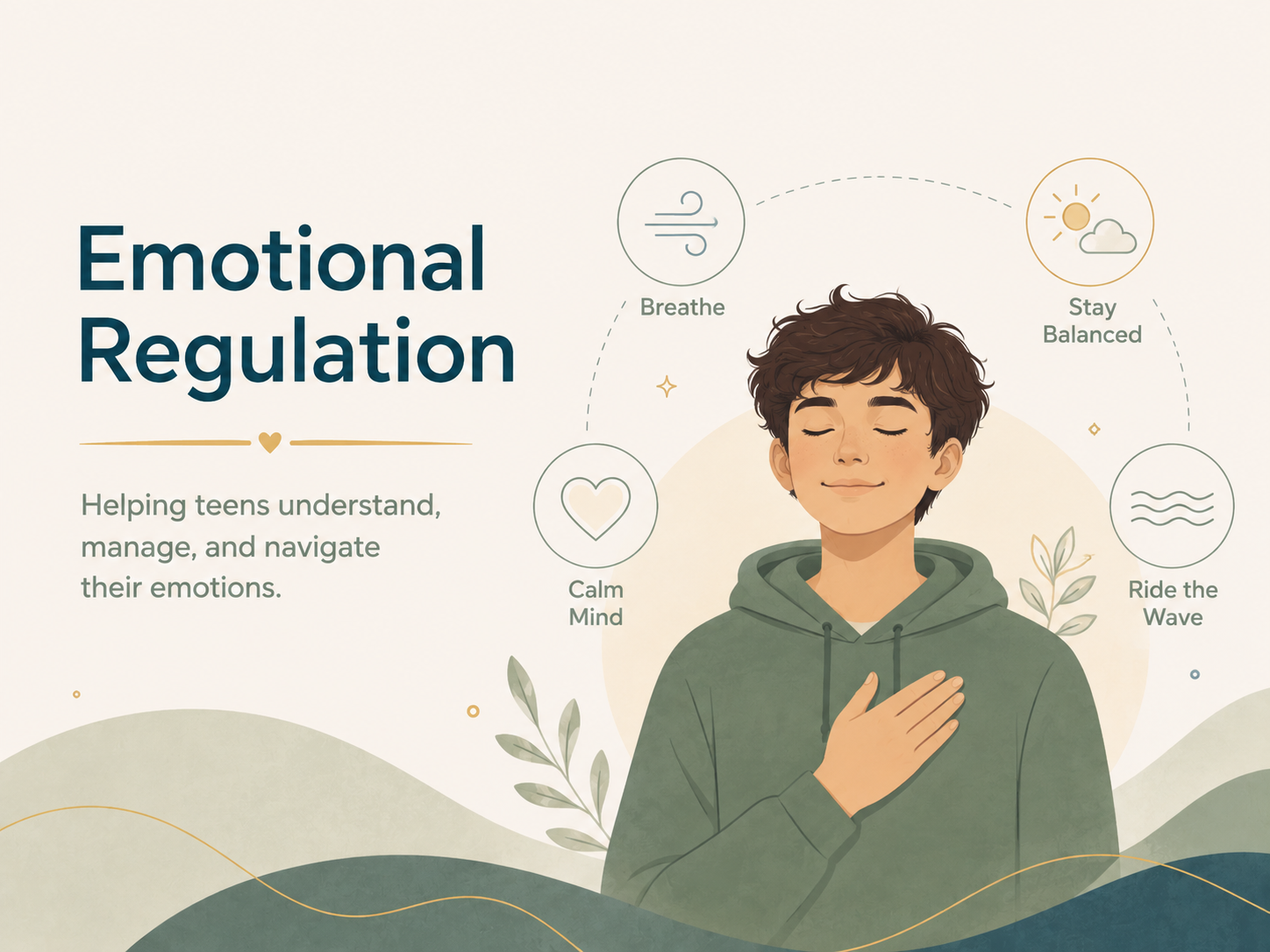
Emotional Regulation
Recognizing triggers, understanding strong emotions, communicating needs, and practicing healthier responses.
-
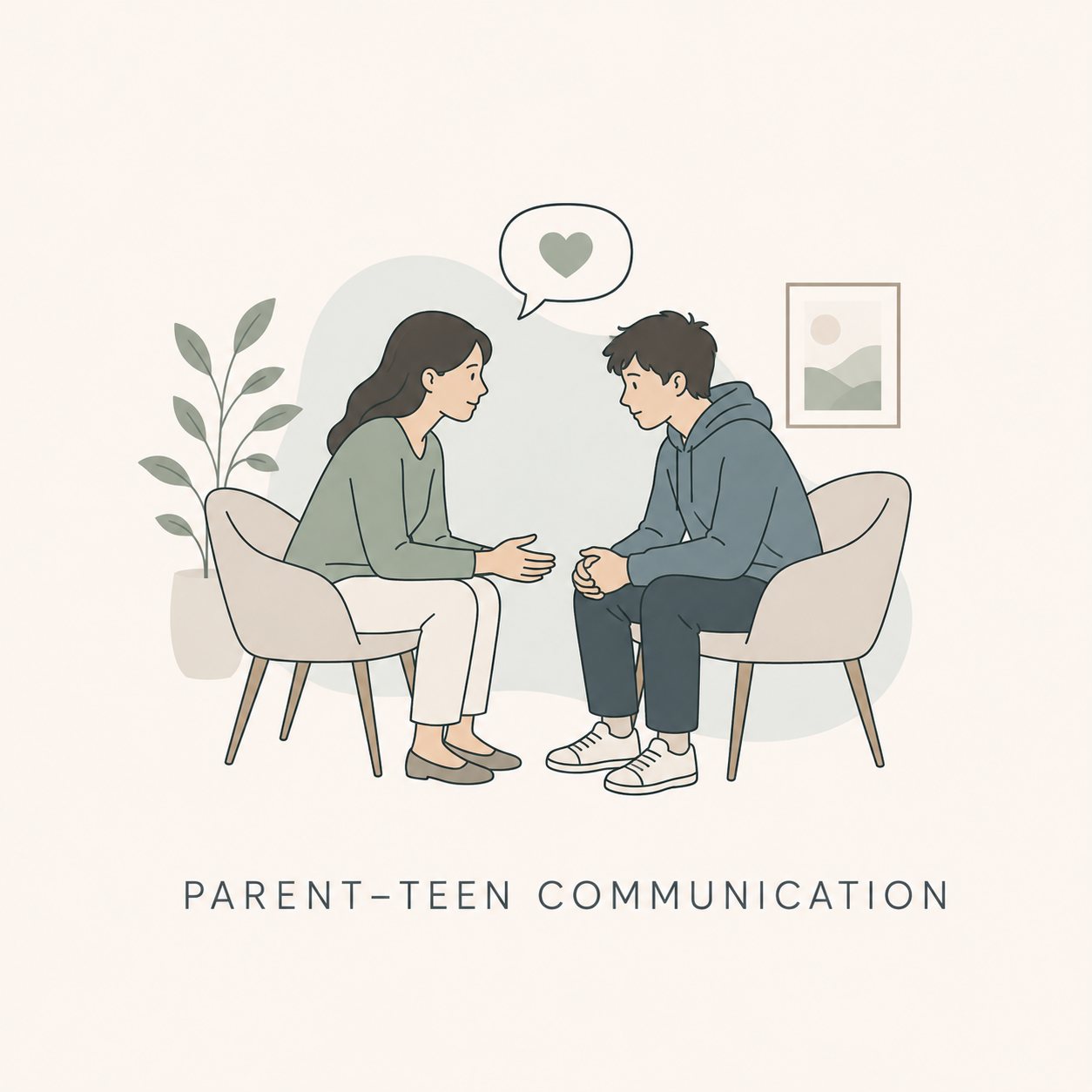
Parent-Teen Communication
Reducing unnecessary conflict while strengthening understanding, boundaries, and connection.
What If My Teen Doesn't Want Therapy?
Some teens arrive ready to talk. Others arrive because a parent told them they're going. That's okay.
I ask reluctant teens to give therapy a fair chance by actively participating for about 4–5 sessions. Then we honestly evaluate whether the work feels helpful. If they genuinely participate and tell me it isn't helping, I take that seriously. We may change the approach, reconsider the goals, or discuss whether continuing with me makes sense.
The goal isn't to keep your teen in therapy. The goal is to help them move forward.
Therapy That Speaks Their Language
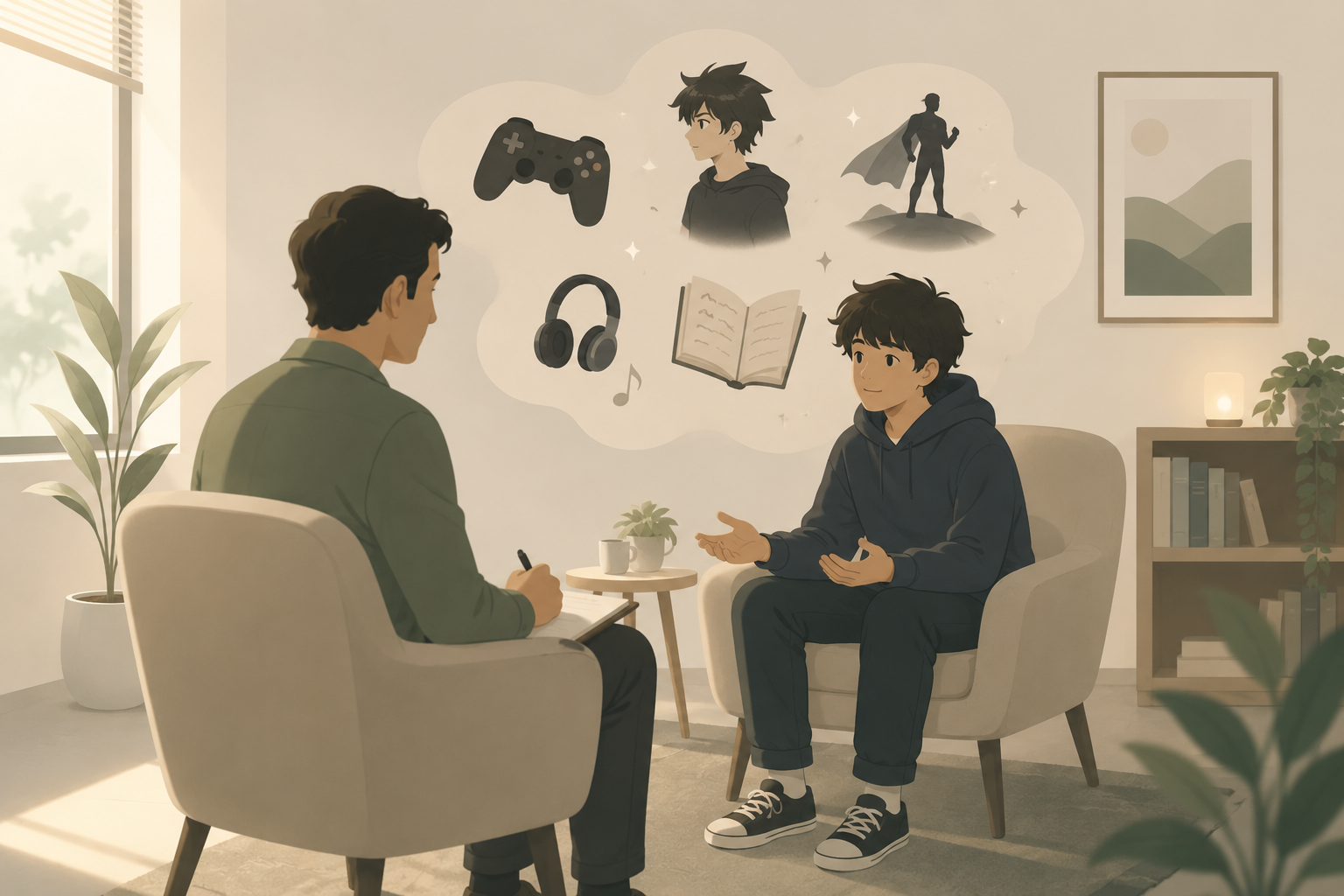
Sometimes a difficult idea makes more sense through something familiar: a character, movie, anime, video game, song, story, comic, or whatever matters to your teen.
Those interests do not need to be put aside before "real therapy" can begin. Sometimes they're exactly where a useful conversation starts.

Parents Are Part of the Process, Too
Teenagers need an appropriate level of privacy to develop trust in therapy, but parents should not feel completely shut out.
Depending on treatment needs, parents may join the first or last 10–15 minutes of a session to discuss what we're working on, understand strategies, and support implementation at home. Safety concerns are handled differently and parent involvement may be necessary.
Looking for support on your side of it? See Parenting Support.
My Approach
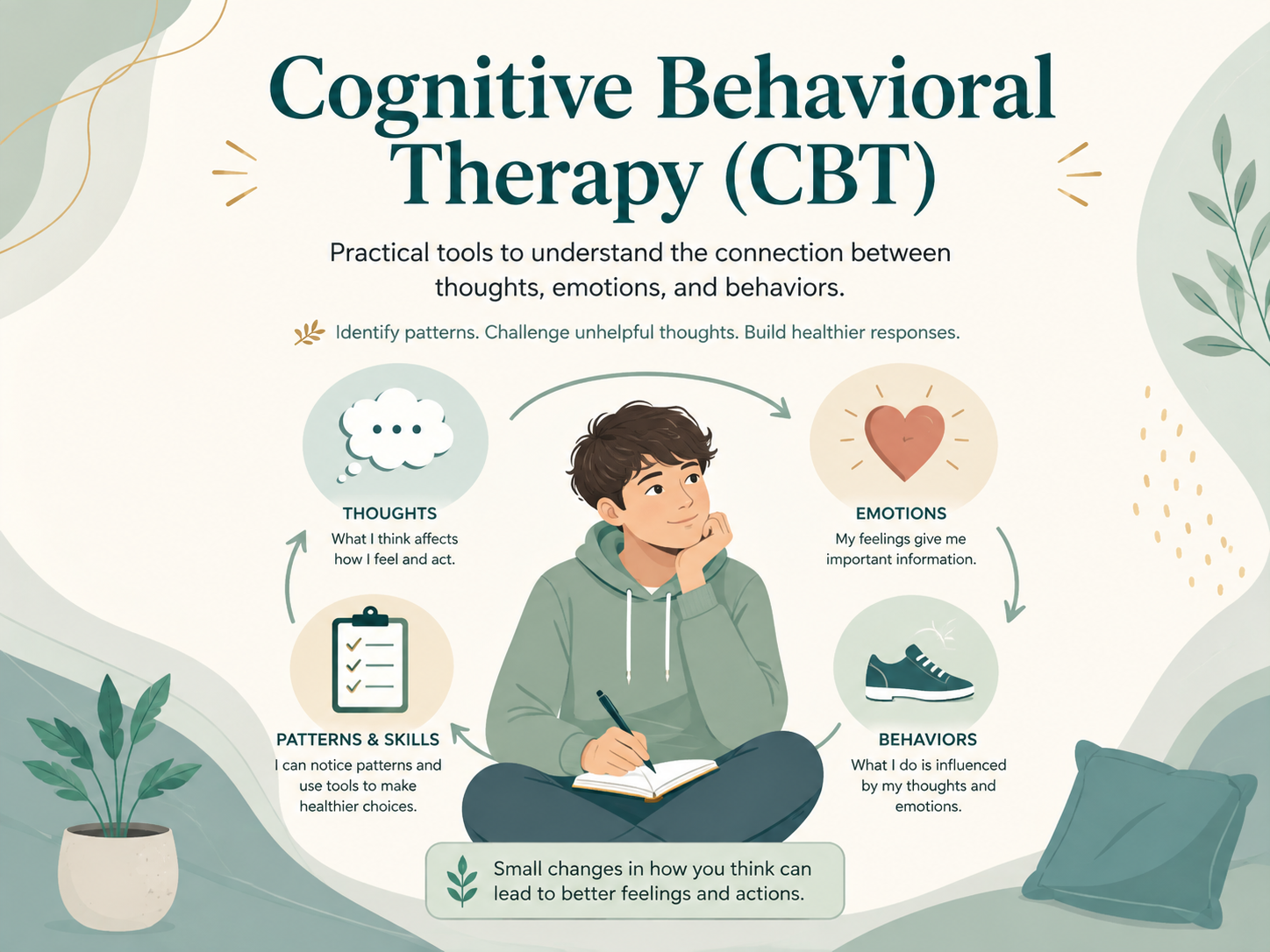
CBT
My three primary approaches are Cognitive Behavioral Therapy (CBT), the Unified Protocol (UP), and Triple P – Positive Parenting Program. Each gives us practical tools, but treatment is adapted to the person rather than forcing every teen into the same script.
CBT helps teens understand how thoughts, feelings, and actions influence one another. The Unified Protocol helps teens understand emotions, notice avoidance patterns, tolerate uncomfortable feelings, and practice responses that help in the long run. Triple P supports parents with practical strategies for connection, boundaries, behavior, and communication.
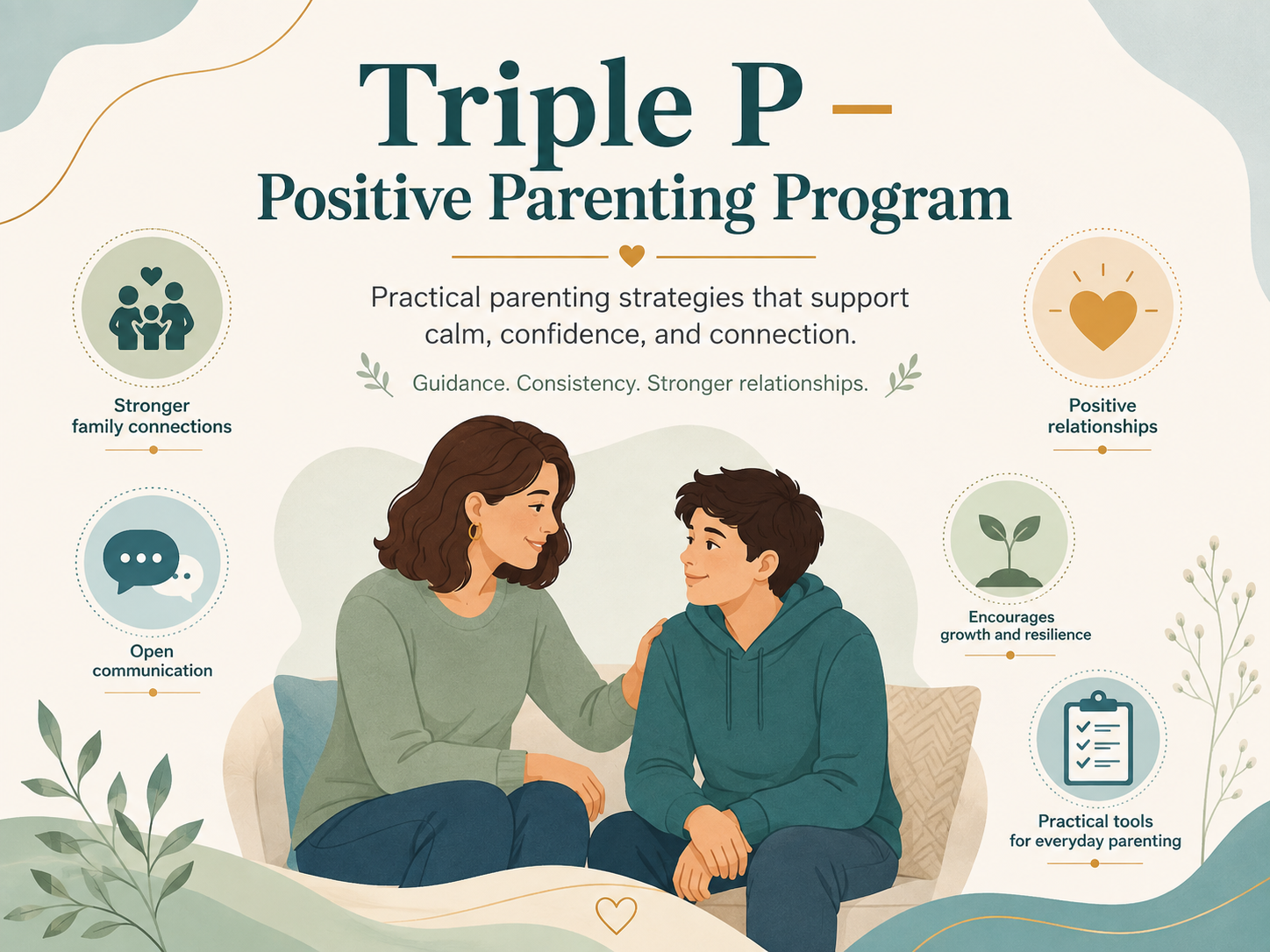
Triple P- Positive Parenting Program
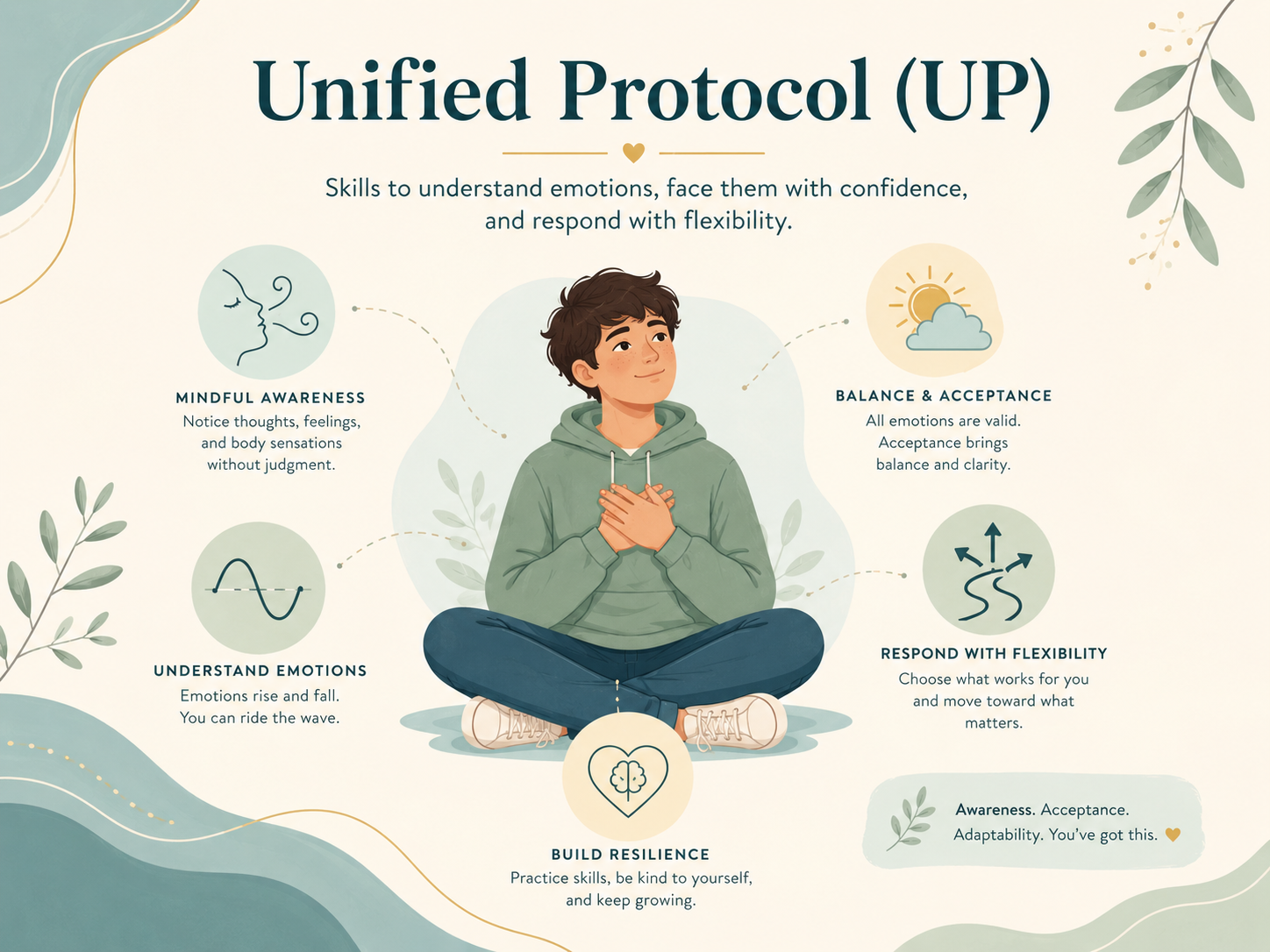
Unified Protocol UP
For the Teen Reading This
You get a say too. You do not need to arrive knowing exactly what to talk about, and you do not have to tell me your whole life story in the first session. I'm interested in your version of what's happening.
You can be quiet, awkward, energetic, funny, uncertain, or disagree with me. Therapy works better when you do not have to pretend to be someone else while you're there.
What Progress Can Look Like
Progress does not have to mean anxiety disappears, homework becomes fun, or parents and teens never disagree.
It may look like recognizing anxiety earlier, recovering from a difficult day faster, trying something usually avoided, communicating what's wrong instead of shutting down, or having a disagreement that stays a disagreement instead of becoming a two-hour argument. Small changes matter.


Ready for the Next Step?
Not sure whether therapy is the right next step? Let's start with a conversation.
Virtual therapy available throughout Texas. Online consultation booking is the easiest way to get started; phone and email are also available.
Wondering how online sessions actually work, or what they cost? See Online Therapy in Texas.